Glendale apartments and renters
By Census estimate, Glendale has about 77,783 housing units2 for about 190,748 residents,2 and about 72,573 of the units are occupied.2
Census estimates put about 73 percent of Glendale renter households in buildings with five or more units, along with about 18 percent of its owner households.3 Of Glendale's renter households, about 31 percent came to their home in 2020 or later by Census estimate, compared with about 11 percent of its owner households.4
Glendale Rental Rights Program
The City runs a Rental Rights Program with tools, guides and resources for both landlords and tenants.5 Chapter 9.30, titled Just Cause and Retaliatory Evictions, states the Council's aim of balancing the rental experience by fostering positive landlord-tenant relationships.6
Glendale's home sizes and ages
One- and two-bedroom homes top Glendale's housing by Census estimate, at about 18,362 and about 30,221, followed by about 17,373 three-bedroom homes, about 5,804 with four bedrooms, about 4,981 studios and about 1,042 with five or more.7
The median Glendale home went up in 1966,8 and about 20 percent of housing units date from 1939 or earlier,8 Census estimates show. Household size in Glendale averages about 2.60 people by Census estimate, with owners at about 2.78 and renters at about 2.50.9 One person living alone makes up about 27 percent of Glendale households,9 a member under 18 appears in about 28 percent9 and a member 65 or older in about 36 percent.9
Mattresses, sofas and other bulky items in Glendale
The City collects from homes and two- to four-unit properties.10 Single-family homes and small apartment or condo complexes of one to four units can schedule a bulky item pickup directly through the City.10 Tenants in buildings of five or more units must go to their property manager or designated hauler to arrange a bulky item pickup.10
Sofas, tables, desks and chairs are on the City's accepted list for bulky pickup, along with mattresses and box springs.10 On the City's residential pickup form for homes of one to four units, mattresses and box springs must be wrapped in plastic or a mattress bag, or they will not be collected.11 The City says a request goes in at least 3 business days ahead of the pickup, and items must go to the curbside after 6pm the evening before collection.10
Household hazardous waste in Glendale
Hazardous materials cannot go in any curbside cart in Glendale, and the City says disposal is available at its own Household Hazardous Waste Facility.10 Hazardous waste and electronic waste cannot go in the shared bins at apartment and condo buildings either, the City says.12 The facility is open to Glendale and La Canada residents who bring proof of residency, and La Crescenta and Montrose residents with a Glendale Water and Power bill are eligible too.13
Cleaners, aerosols and glass cleaner are among the items on the Household Hazardous Waste Program's accepted list, as are paints, thinners, shellacs and polish.13 The program describes itself as one of the first permanent indoor facilities of its kind in Southern California, and says it has collected over 3,000 tons from residents since launching in 1991.13
Storm drains in Glendale
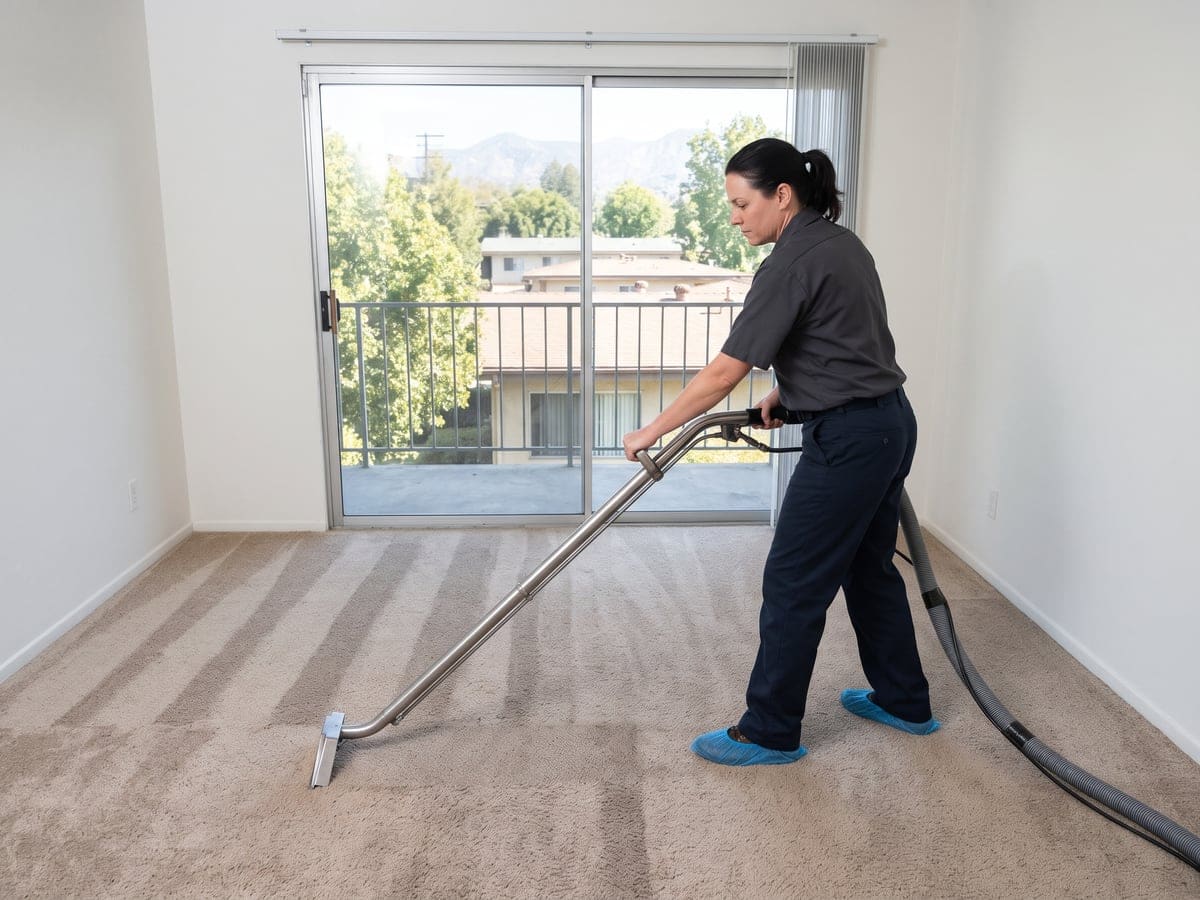
The City's stormwater page says that dumping waste or discharging wastewater into the storm drain system violates state regulation and Chapter 13.42, and that outside of pure stormwater, most discharges to the storm drains are wastewater.14 Glendale's code says that, except as allowed under a general or separate NPDES permit, no one operating or performing industrial or commercial activities in the city, whether or not in an industrial or commercial facility, shall discharge, cause or permit the discharge of wastewater from steam cleaning, mobile carpet cleaning or other such mobile commercial or industrial operations into the storm drain system.15 A separate clause of section 13.42.030 forbids disposing of sewage or wastewater materials from any source into the storm drain system, or permitting that discharge.15
Section 13.42.020 says the storm drain system includes streets, gutters, conduits, natural and artificial drains, channels and watercourses used for collecting, storing, transporting or disposing of stormwater in the city, and it does not include sanitary sewer systems.16 Section 13.42.040 bars nonstormwater discharges to that system unless they are specifically exempted, authorized by a separate or general NPDES permit, or exempted or conditionally exempted by the county's municipal stormwater permit.17 Glendale defines urban runoff as any water flowing on urban surfaces, including flows from storms as well as dry weather flows from sources such as over-irrigation and car washing.14 The City names its local waterways as the Los Angeles River and two tributaries, Verdugo Wash and the Burbank Western Channel, with the river reaching the ocean at San Pedro Bay.14
Hoses and water waste in Glendale
Glendale's no water waste rules, in effect at all times, bar potable water for hose washing sidewalks, walkways, driveways, patios and other paved areas. Their exceptions include cases where necessary to alleviate safety or sanitary hazards, and then only by a handheld bucket or similar container or a hand-held hose with a water shut-off device, and use of a low-volume high-pressure cleaning machine.18 Section 13.36.060 allows no use of water for any purpose that results in overspray, or in runoff onto hardscape, driveways, streets or adjacent lands or into gutters.18
Glendale's water and precipitation
Of the water Glendale Water and Power used in 2025, its report says 63.3 percent was bought from the Metropolitan Water District, 31.3 percent came from local groundwater in the San Fernando Basin, and 5.4 percent was recycled water, used only for irrigation and industrial processes.19 The report's table lists hardness of 350 ppm at the Glendale Water Treatment Plant and averages of 234 ppm at Metropolitan's Weymouth Plant and 140 ppm at its Jensen Plant, and it says dividing ppm by 17.1 gives grains per gallon.19
NOAA's normals for the Glendale 2.4 WSW station, a precipitation gauge with 12 years of record, come to 16.74 inches of precipitation a year,20 by 1991-2020 normals. Its monthly normals peak at 4.98 inches in February and 3.24 in January, and fall to 0.02 inch in each of July and August,20 by 1991-2020 normals.